
Extending Service Life Through Protective Treatment
Roof Restoration in Hedley for aging roofing systems showing early wear but still structurally sound enough to benefit from protective measures
Protective roof coatings applied to aging asphalt or metal roofing create a reflective barrier that reduces heat absorption and slows the UV degradation that causes shingles to become brittle and lose flexibility. Roof cleaning and preparation removes accumulated dirt, organic growth, and loose granules that prevent coatings from bonding properly to the underlying surface. Pearson Plus Roofing provides roof restoration in Hedley when roofing has reached the midpoint of its expected lifespan but shows no significant structural damage, offering a cost-effective alternative to replacement that can add five to seven years of service life. Damaged area repairs address isolated problems before coating application, while flashing and seal restoration renews the critical waterproofing at transitions and penetrations.
The restoration process begins with thorough inspection to confirm that the underlying roof structure can support extended service and that restoration represents a sound investment compared to replacement costs. Minor repairs to damaged shingles, lifted tabs, and worn flashings are completed before coating application to ensure the entire system is mechanically sound. Coating selection depends on roofing type, color requirements, and desired reflectivity for heat reduction.
Request a restoration evaluation to determine whether your roof qualifies for life extension through protective coating and targeted repairs.
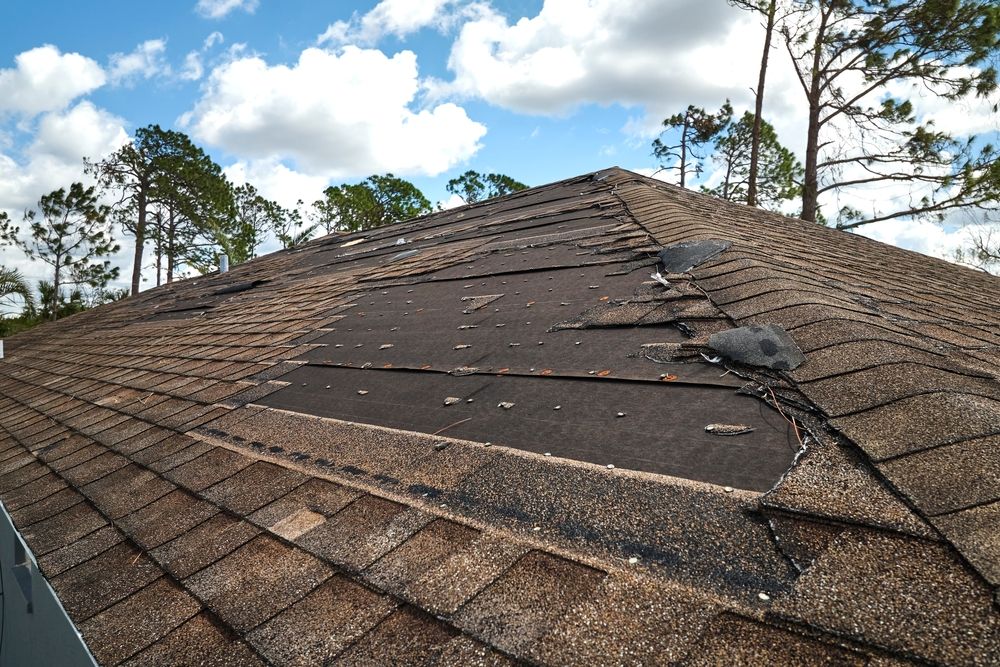
Why Protective Coatings Work for Mid-Life Roofing
Roof cleaning removes the layer of dust and degraded granules that accumulate on aging shingles, exposing the surface so that coatings can penetrate and bond chemically rather than simply sitting on top of contamination. Preparation includes pressure washing at controlled intensity to avoid damaging brittle shingles while removing debris that would compromise coating adhesion. Any loose or damaged material is replaced before coating begins to prevent coating from sealing over existing problems.
After restoration completes, the roof surface appears uniform and renewed rather than showing the mottled, faded appearance of aged shingles with inconsistent granule coverage. Coated roofs reflect more sunlight and reduce attic heat buildup by 20 to 30 degrees compared to uncoated dark surfaces, lowering cooling costs during the extended summer season. The protective layer fills minor surface cracks and creates a barrier against moisture intrusion at areas where granule loss has exposed the underlying mat.
Flashing and seal restoration targets the areas most likely to fail before the roofing field itself needs replacement. New sealants around pipe boots, vent flashings, and valley transitions prevent the localized leaks that often trigger premature replacement decisions even when the majority of the roof remains serviceable. Roof life extension through restoration makes economic sense when repair and coating costs total less than half the expense of complete replacement and the underlying structure shows no signs of moisture damage or deterioration.
Common Questions About This Service
Property owners considering restoration want to understand candidacy requirements, expected lifespan gains, and how the process differs from replacement.
What roof conditions qualify for restoration rather than requiring replacement?
Roofs with intact structural decking, minimal widespread granule loss, no significant curling or brittleness, and fewer than 15 percent damaged shingles typically qualify for restoration. The underlying system must be sound enough that coating and repairs will genuinely extend service life rather than simply postponing inevitable replacement.
How do protective coatings reduce cooling costs in Hedley?
Reflective coatings bounce solar radiation away from the roof surface rather than allowing heat to absorb into shingles and radiate into attic spaces. This reduction in heat transfer can lower attic temperatures from 150 degrees to 120 degrees or less, reducing the thermal load on cooling systems and lowering energy consumption during the hottest months.
What preparation is required before coating application?
All surfaces receive cleaning to remove dirt, organic growth, and loose material, followed by repairs to any damaged shingles or flashings. The roof must be completely dry before coating is applied, requiring favorable weather conditions with low humidity and no rain forecast for at least 24 hours after application.
How long does restored roofing typically last before replacement becomes necessary?
Properly applied restoration can extend roof life by five to seven years depending on coating quality, climate exposure, and how well the underlying roof was maintained prior to restoration. Regular maintenance during the extended service period helps maximize the investment by addressing minor issues before they compromise the protective coating.
Why focus on flashing restoration as part of the process?
Flashings around chimneys, vents, and valleys typically deteriorate faster than field shingles due to concentrated water flow and thermal expansion cycles at transition points. Restoring these critical seals prevents the localized leaks that often drive replacement decisions even when the majority of the roof remains functional and could benefit from extended service.
Pearson Plus Roofing provides candid assessment of whether restoration offers genuine value for your specific roof condition or if replacement represents the better long-term investment. Arrange a detailed inspection to review restoration candidacy and receive a comprehensive proposal outlining all included work and expected service life extension.