
Immediate Response When Roof Damage Occurs
Emergency Roofing Services in Hedley for properties with active leaks, storm damage, or compromised roof structures
Hailstorms that pummel the Texas Panhandle with stones exceeding two inches in diameter punch holes through shingles and dent metal roofing, while straight-line winds exceeding seventy miles per hour peel entire sections of roofing away from fascia boards and leave structural decking exposed to rain. Pearson Plus Roofing responds to emergency roof situations across Hedley when water pours through ceilings, when missing shingles create entry points for wind-driven precipitation, or when tree limbs puncture roof planes during severe weather. Storm damage response includes temporary roof protection using reinforced tarping materials, emergency leak repairs that stop water intrusion until permanent fixes can be scheduled, and urgent roof inspections that document damage for insurance claims while identifying all compromised areas requiring attention.
Emergency repairs prioritize stopping active water entry by sealing punctures with roofing cement and membrane patches, replacing torn sections of shingles or metal panels, and installing tarps secured with battens screwed into sound decking rather than relying on sandbags that shift during subsequent wind events. Temporary roof protection prevents secondary damage to insulation, drywall, and interior finishes while you coordinate with insurance adjusters and schedule permanent repairs, giving you time to make informed decisions rather than rushing into hasty work that fails to address underlying structural problems exposed by the initial damage.
Call for emergency response when active leaks threaten your property—immediate tarping and water intrusion prevention limit damage while permanent solutions are planned.
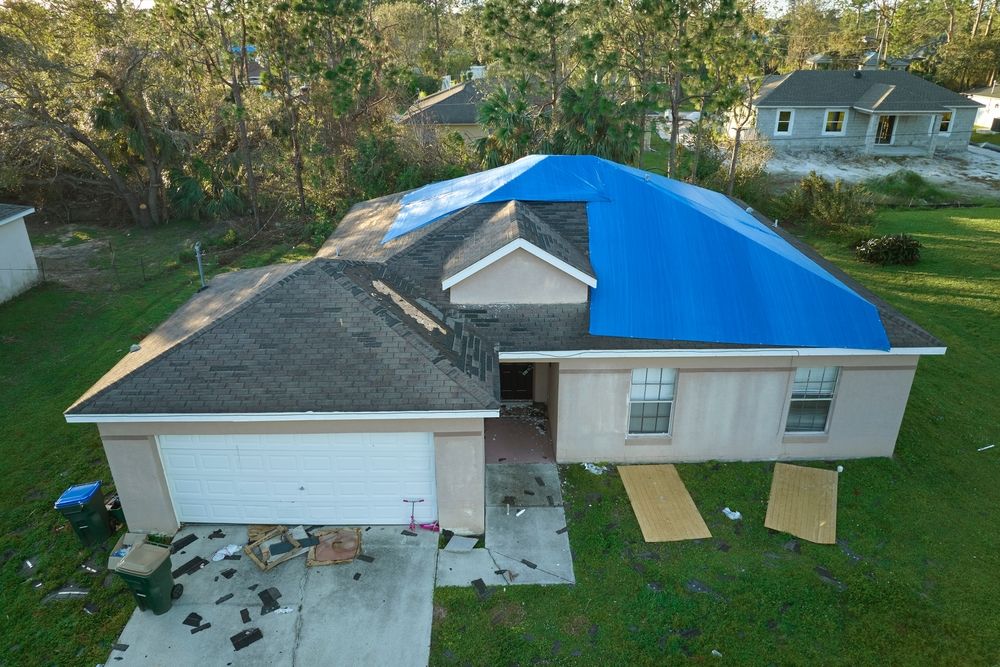
How Emergency Response Addresses Storm Damage
Urgent roof inspections begin the moment conditions allow safe roof access, documenting hail impact patterns, measuring wind-lifted shingle tabs, photographing punctures from debris strikes, and mapping all areas where water has penetrated the building envelope. Emergency leak repairs use rubberized flashing tape for immediate sealing of small punctures, roofing cement application where shingles have torn away, and plywood patches secured over larger holes until replacement materials arrive. Tarping procedures involve unrolling heavy-duty reinforced poly sheets across damaged sections, extending coverage beyond compromised areas by at least four feet in all directions, and fastening edges with wood battens screwed through the tarp into solid decking to create wind-resistant anchoring.
After emergency service, you see tarps secured tightly without flapping edges, immediate cessation of interior dripping, and protected living spaces that remain dry during subsequent rainfall. Documentation includes timestamped photos showing damage extent, written descriptions of all compromised areas, and initial estimates separating emergency stabilization costs from permanent repair requirements. Water intrusion prevention keeps your home functional while insurance processes claims and contractors schedule full repairs, eliminating the anxiety of watching weather forecasts and worrying about additional rain.
Downspout installation and gutter repair often become necessary after storm events, since high winds tear gutters from fascia boards and hail dents thin-gauge aluminum to the point where proper drainage no longer occurs. Emergency services focus first on roof waterproofing, then address ancillary systems once the primary building envelope is secured and protected from further weather exposure.
Answers to Frequent Service Questions
Property owners facing storm damage want to know about response times, insurance coordination, and what happens between emergency repairs and permanent restoration.
What qualifies as a roofing emergency?
Active water intrusion during or immediately after storms, structural damage that exposes decking to weather, and any situation where delayed response would cause additional harm to interior spaces or building contents requires immediate attention rather than scheduled service.
How quickly can emergency tarping happen in Hedley?
Response times depend on weather severity and service demand following widespread storm events, but emergency crews prioritize properties with active leaks and deploy tarping materials as soon as wind speeds drop below unsafe thresholds for roof work.
What does temporary roof protection actually protect?
Tarping prevents rain from entering through damaged areas, shields exposed decking from UV degradation and moisture absorption, and maintains some degree of building envelope integrity until permanent roofing materials can be installed during proper working conditions.
When should permanent repairs be scheduled after emergency service?
Permanent repairs should proceed once insurance documentation is complete and materials are available, typically within one to three weeks of the initial damage event depending on the extent of regional storm impact and contractor availability.
What information do insurance adjusters need after storm damage?
Adjusters require photos documenting damage extent, descriptions of what caused the damage, estimates separating emergency costs from permanent repair costs, and access to the roof for their own inspection before authorizing claim payments.
Pearson Plus Roofing maintains emergency contact availability for Hedley properties facing urgent roof failures. Reach our emergency line when storm damage occurs to arrange immediate response and prevent further harm to your home or business.