
Roofs Built to Last Through Harsh Weather
Roof Installation in Hedley for properties requiring durable protection from high winds and extreme temperature swings
Pearson Plus Roofing installs asphalt shingle and metal roofing systems in Hedley, TX designed to withstand the region's frequent wind events and temperature extremes that can exceed 100 degrees in summer and drop below freezing in winter. New roof installation becomes necessary when existing roofing has reached the end of its service life, when structural damage has compromised the deck, or when preparing a property for sale or long-term ownership. Proper underlayment installation and roof ventilation are critical in this climate to prevent premature shingle failure and attic heat buildup that can reach 150 degrees without adequate airflow.
The installation process begins with a complete deck inspection to identify any structural issues that must be addressed before new roofing is applied. Material selection depends on building orientation, roof pitch, and exposure to prevailing winds from the southwest that frequently carry dust and debris during dry months. Ventilation design must account for attic volume and local heat load to prevent moisture accumulation during rare humid periods and reduce cooling costs during extended summer heat.
Schedule a property evaluation to assess your current roof structure and discuss material options suited to your building's specific exposure.
What Proper Installation Requires
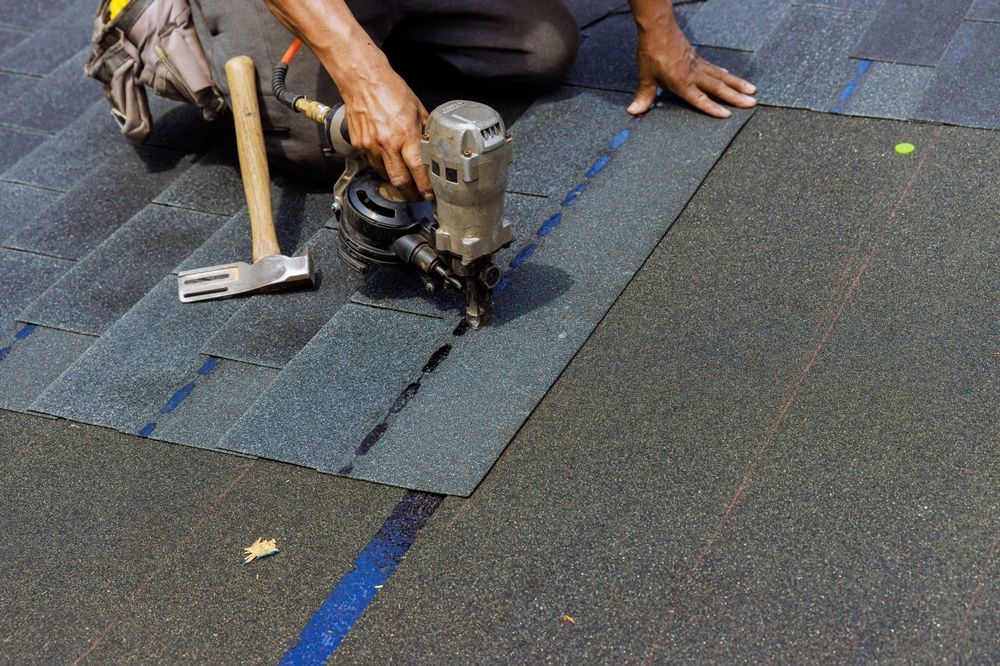
Professional underlayment installation creates a secondary moisture barrier that protects the roof deck during the brief but intense rain events common to the Texas Panhandle. The underlayment must be applied in overlapping courses with proper fastener spacing to resist wind uplift, especially on roof edges and ridges where wind pressure concentrates. Asphalt shingle installation follows manufacturer specifications for nail placement and overlap to maintain warranty coverage, while metal roofing requires precise panel alignment and fastener tension to prevent thermal expansion issues.
After installation completes, you notice immediate differences in indoor temperature stability, particularly in rooms directly below the roofline. Properly ventilated roofs prevent the radiant heat transfer that causes ceilings to feel warm to the touch during afternoon hours. The new roofing system sheds wind-blown dust and debris more effectively than aged, granule-depleted shingles, and water drains cleanly to gutters without pooling in worn or damaged areas.
Installation includes flashing around all roof penetrations such as vents, pipes, and chimneys to create watertight seals at vulnerable transition points. Metal drip edge installed along eaves and rakes directs water away from fascia boards and prevents wind-driven moisture from working under shingle edges. Cleanup involves magnetic sweeps to remove stray fasteners from driveways and landscaping, along with complete debris removal from the property.
Questions Before Starting Your Project
Property owners in Hedley frequently ask about material selection, installation timing, and what preparation involves before roofing crews arrive.
What determines whether asphalt shingles or metal roofing works better for a specific building?
Roof pitch plays a significant role, with metal roofing performing well on lower slopes where water drainage is slower, while asphalt shingles suit steeper pitches common on residential structures. Wind exposure and building height also affect material choice, as metal panels withstand sustained high winds better than individual shingles on taller structures.
How does proper roof ventilation affect cooling costs in Hedley?
Ventilation systems that balance intake vents at soffits with exhaust vents at the ridge create continuous airflow that removes heat buildup from attic spaces. Without adequate ventilation, attic temperatures can exceed 150 degrees during summer months, forcing cooling systems to work harder to maintain comfortable indoor temperatures and shortening shingle lifespan through accelerated heat aging.
What preparation happens before installation begins?
The existing roof receives a complete structural inspection to identify any decking that requires replacement due to moisture damage or deterioration. Landscaping near the building perimeter is protected with tarps, and vehicles are relocated to prevent damage from falling debris during tear-off if replacement is involved rather than new construction installation.
When should installation be scheduled to avoid weather delays?
Spring and fall offer the most stable weather windows in the Texas Panhandle, with reduced wind speeds and moderate temperatures that allow materials to seal properly. Summer heat can make shingles overly pliable during installation, while winter cold can prevent proper adhesive activation on self-sealing shingle strips.
What does underlayment installation protect against?
Professional underlayment creates a backup moisture barrier that prevents water intrusion if shingles are damaged by wind or hail before repairs can be completed. The underlayment also protects the roof deck during the installation process itself, providing temporary weather protection if work extends across multiple days.
Pearson Plus Roofing provides detailed material recommendations based on your building's specific exposure to wind, sun orientation, and structural requirements. Request an on-site consultation to review installation options and receive a project timeline suited to current weather patterns.